About EMPA
Uniting Europe’s maritime pilots since 1963 to advance safety and professionalism across our waters.
Founded in Antwerp in 1963 by pilots of the European Economic Community, EMPA has grown to represent 4,500 maritime pilots from 18 EU member countries and six neighboring nations: Georgia, Montenegro, Norway, Turkey, Ukraine, and the United Kingdom.
Our members serve across five seas—Baltic, North Sea, Atlantic, Mediterranean, and Black Sea—united by a shared commitment to maritime excellence and safety.


The essential role of maritime pilots
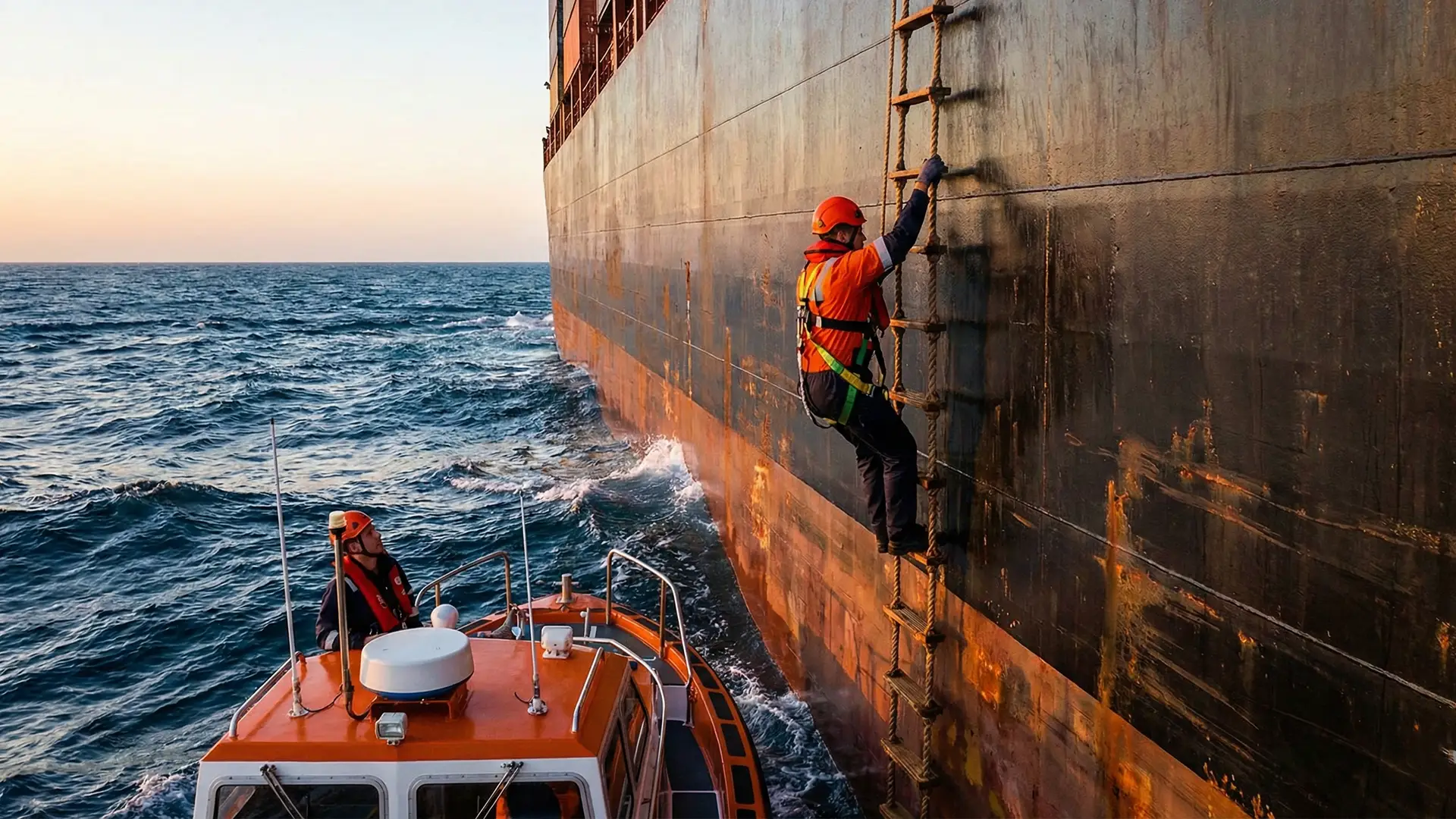
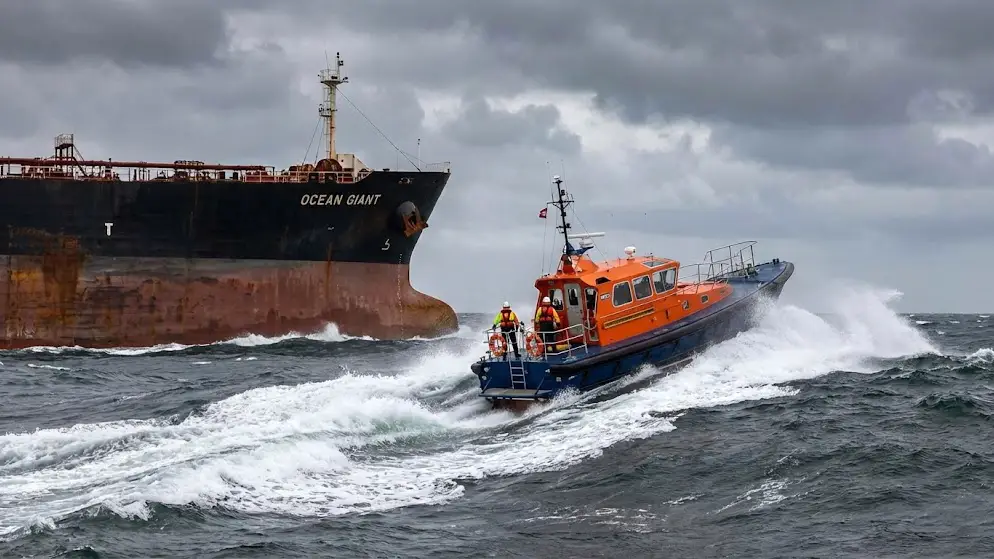
Pilotage is a mandatory public service that ensures maritime safety and environmental protection. Pilots provide critical local knowledge and ship-handling expertise to vessel captains navigating complex port approaches and restricted waters.
Their specialized experience makes pilotage the most significant risk mitigation measure in maritime operations. Pilots board vessels during the most critical phase of a voyage, guiding ships through waters with limited depth, narrow channels, and competing traffic—bringing skills that no ship master, regardless of experience, can possess for every port.
Our mission and beliefs
Public safety first
Pilotage is primarily a port safety system designed to protect waterways, port facilities, and the wider community. It operates in the interest of public safety above all else.
Independent expertise
Pilots provide independent, dynamic assistance to the vessels they guide, offering crucial information about surrounding traffic while actively protecting the marine environment.
Policy leadership
Pilots are closely involved in developing EU and IMO maritime safety policies, ensuring that regulations reflect the realities of modern shipping operations.
Quality assurance
Pilots play an important role in improving Port State Control across the EU, contributing their expertise to enhance maritime safety standards throughout European waters.
Our principal objectives
To provide Professional and Safe Pilotage
To promote the Education and Training of Maritime Pilots
To ensure Continued Proficiency
To develop International Quality and Safety Standards for Maritime Pilots
To build on the profound Maritime Experience of its members
To ensure the Medical Fitness of Maritime Pilots
To take an active part in EU Research Programmes
To work with Vessel Traffic Services (VTS)
To make use of Formal Safety Assessment procedures
To work with Port Authorities and Harbourmasters on both technical and safety matters.